


Navigating Ontario Building Permits: How a BCIN Designer Saves Your Project from Red Tape
- Danielle Thornton-Kecso

- Feb 28
- 5 min read
Let's be honest, nobody dreams about paperwork when they're planning their custom timber frame home or backyard pavilion. You're picturing soaring beams, cozy spaces, and maybe a morning coffee on that new deck. What you're not picturing is a stack of rejected permit applications and months of delays.
But here's the reality: in Ontario, that permit process can make or break your project timeline. And if you've never navigated it before, it can feel like walking through a maze blindfolded.
That's where a BCIN designer becomes your secret weapon. These certified professionals don't just draw pretty plans, they create building permit plans that sail through municipal approvals while you focus on the exciting stuff.
What Exactly Is a BCIN Designer?
BCIN stands for Building Code Identification Number. In Ontario, anyone who designs buildings or reviews plans for Ontario Building Code compliance needs to hold this credential. It's not optional, it's the law.
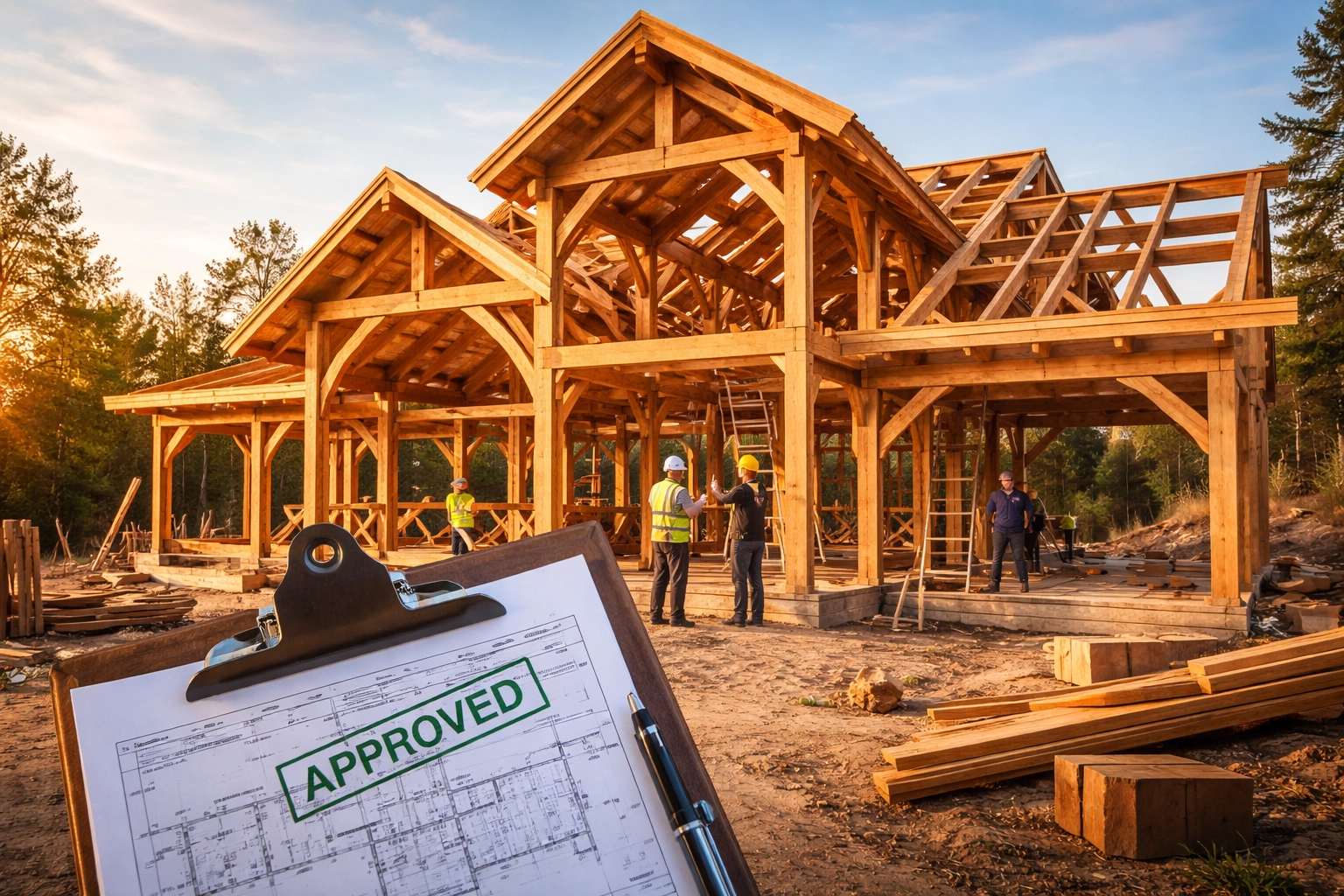
Think of a BCIN designer as your translator between your vision and the building department's requirements. They understand the Ontario Building Code inside and out, and they know exactly what your local municipality wants to see before they'll stamp "approved" on your project.

There are different categories of BCIN qualification, covering everything from small buildings and houses to large structures and plumbing systems. When you're working with a qualified designer, they've passed rigorous exams and maintain their credentials through ongoing education.
In short? They know their stuff. And that knowledge directly translates to fewer headaches for you.
Understanding the Ontario Building Permit Process
Before we dive into why a BCIN designer matters so much, let's talk about what you're actually dealing with.
In Ontario, building permits are required for most construction, demolition, additions, or major renovations. Your project needs to comply with the Ontario Building Code, local zoning by-laws, and any other applicable regulations. Miss one of those boxes, and your application comes back with a big red "incomplete" stamp.
Here's what typical permit timelines look like:
Custom homes: Anywhere from 2 weeks to 4 months, depending on complexity. If you need a zoning variance, add another 2-6 months.
Additions: Usually about a month, but can range from 2 weeks to 2 months.
Large interior renovations: Highly variable, depends entirely on the quality of your documentation.
Small interior renovations: Only required if you're touching structural elements, HVAC, or plumbing.
Notice how documentation quality keeps popping up? That's not a coincidence. The difference between a 2-week approval and a 4-month nightmare often comes down to one thing: how well your building permit plans were prepared.
The Common Pitfalls That Derail Permit Applications
We've seen it happen too many times. A homeowner gets excited, hires someone to sketch out their dream project, and submits the plans expecting smooth sailing. Then reality hits.
Here are the most common reasons permit applications get rejected or delayed:
Incomplete drawings. Municipal building departments need specific information, structural details, load calculations, energy efficiency compliance, site plans with setbacks clearly marked. Generic drawings that look nice but lack technical substance get sent back immediately.
Ignoring zoning requirements. Your lot has rules about how close you can build to property lines, how tall your structure can be, and sometimes even what materials you can use. A BCIN designer checks all of this before submitting.
Missing supporting documents. Depending on your project, you might need septic system approvals, engineered truss drawings, or HVAC designs. Submit without these, and you're back to square one.
Not understanding local requirements. Every municipality has its quirks. What flies in one township might get flagged in another. Experienced designers know these nuances.

Each rejection doesn't just mean more paperwork, it means more waiting. And in construction, time is money. Every week your permit sits in limbo is a week your contractors aren't working, your materials are sitting, and your move-in date is slipping further away.
How a BCIN Designer Saves Your Project
So what does working with a qualified BCIN designer actually look like? And more importantly, how does it save you from the red tape nightmare?
They Get It Right the First Time
A good BCIN designer doesn't just draw what you want, they draw what the building department needs to see. They understand the Ontario Building Code requirements for your specific project type and incorporate those details from the start.
That means your building permit plans include:
Proper structural calculations and details
Energy efficiency compliance (meeting current OBC standards)
Accurate site plans with setbacks, lot coverage, and grading
All required cross-sections, elevations, and floor plans
Notes and specifications that answer questions before they're asked
When the plans examiner opens your file, everything they need is right there. No back-and-forth emails. No "please resubmit with additional information." Just approval.
They Know the Local Landscape
Here's something people don't always realize: building departments aren't all the same. A BCIN designer who works regularly in your area knows what specific municipalities look for. They understand which inspectors are sticklers for certain details and which requirements trip up most applicants.
That local knowledge is invaluable. It's the difference between a smooth approval and weeks of frustrating revisions.
They Coordinate the Moving Pieces
Your permit application doesn't exist in isolation. It might need to align with septic system approvals, conservation authority permits, or engineering reports. A skilled BCIN designer coordinates these elements so everything lines up when you submit.
Think of them as the project manager for your paperwork. They're tracking deadlines, following up with other consultants, and making sure nothing falls through the cracks.
They Future-Proof Your Documentation
Good building permit plans don't just get you approved: they become the reference document for your entire build. Your contractor uses them. Your inspector references them. Years down the road, if you want to renovate or sell, those professionally prepared drawings prove exactly what was built and how.
Cutting corners on the design phase creates headaches that echo through every stage of your project.
Big Changes Coming in 2026
If you're planning a build in the next year or two, here's something important to know: Ontario is implementing significant changes to the permit and inspection process in 2026.
These changes include:
Digital documentation standards for permits and inspections
Mandatory real-time reporting on site conditions
Stricter compliance requirements across the board
What does this mean for you? The bar is rising. Sloppy documentation that might have squeaked through in the past won't cut it anymore. Working with a qualified BCIN designer who stays current on these changes isn't just helpful: it's becoming essential.
When Do You Actually Need a BCIN Designer?
Not every project requires professionally prepared building permit plans. If you're painting your kitchen or replacing your roof with the same materials, you're probably fine.
But if your project involves:
New construction (homes, additions, garages, outbuildings)
Structural changes to existing buildings
Timber frame structures or post-and-beam construction
Decks over a certain size
Finishing a basement
Any project requiring a building permit
...then working with a BCIN designer isn't just smart: in most cases, it's required.
The Bottom Line
The Ontario building permit process doesn't have to be a source of stress and delays. When you have properly prepared building permit plans created by a qualified BCIN designer, the whole experience changes. Approvals come faster. Surprises disappear. And you can actually focus on the exciting part: watching your dream space come to life.
At the end of the day, investing in quality design work upfront isn't an expense. It's insurance against the kind of delays and headaches that can derail even the best-planned projects.
Ready to start planning your timber frame project the right way? Get in touch with our team to talk through your vision and learn how we can help bring it to life: permits and all.
Comments